Physical Address
304 North Cardinal St.
Dorchester Center, MA 02124
Physical Address
304 North Cardinal St.
Dorchester Center, MA 02124
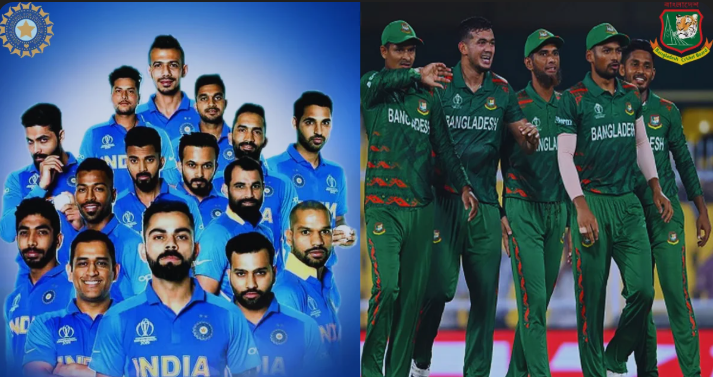
The rivalry between the Bangladesh National Cricket Team and the India National Cricket Team has grown into one of the most emotionally charged contests in modern Asian cricket. What began as a one-sided affair in the early years has gradually transformed into a competitive and unpredictable battle filled with pressure moments, iconic performances, and shifting momentum. India’s dominance in the initial phase shaped the early narrative, but Bangladesh’s rise brought new intensity and belief into the fixture. Every encounter now carries pride, passion, and high stakes, especially in ICC tournaments. This match-up is no longer just about results but about national emotion and cricketing identity across the subcontinent.
| Date | Match Details & Format | First Innings | Second Innings | Match Result |
|---|---|---|---|---|
| Feb 20, 2025 | ICC Champions Trophy (ODI) | BAN: 228 (49.4 ov) | IND: 231/4 (46.3 ov) | India won by 6 wickets |
| Sep 24, 2025 | Asia Cup Super Four (T20I) | IND: 168/6 (20.0 ov) | BAN: 127/10 (19.3 ov) | India won by 41 runs |
| Oct 12, 2024 | Bilateral Series (T20I) | IND: 297/6 (20.0 ov) | BAN: 164/7 (20.0 ov) | India won by 133 runs |
| Oct 09, 2024 | Bilateral Series (T20I) | IND: 221/9 (20.0 ov) | BAN: 135/9 (20.0 ov) | India won by 86 runs |
| Oct 06, 2024 | Bilateral Series (T20I) | BAN: 127 (19.5 ov) | IND: 132/3 (11.5 ov) | India won by 7 wickets |
| Format | Total Matches Played | India Wins | Bangladesh Wins | No Result / Draws |
|---|---|---|---|---|
| Test Matches | 15 | 13 | 0 | 2 |
| One-Day Internationals (ODI) | 42 | 33 | 8 | 1 |
| Twenty20 Internationals (T20I) | 18 | 17 | 1 | 0 |
| All Formats Total | 75 | 63 | 9 | 3 |
| Player | Team | Total Runs |
|---|---|---|
| Virat Kohli | India | 1618 |
| Sachin Tendulkar | India | 820 |
| Player | Team | Total Wickets |
|---|---|---|
| Shakib Al Hasan | Bangladesh | 48 |
| Zaheer Khan | India | 31 |
The rivalry between India and Bangladesh began in the late 1980s when Bangladesh was still finding its footing in international cricket. Early encounters were heavily one sided, with India showcasing superior experience, depth, and composure under pressure. Bangladesh, however, showed flashes of potential through spirited batting efforts and disciplined spells with the ball. These matches were less about competition and more about exposure for Bangladesh against a world-class side. Over time, the emotional intensity grew as Bangladesh started improving in skill and confidence. What was once a predictable contest slowly evolved into a regional rivalry fueled by pride, national identity, and rising expectations from Bangladesh supporters who wanted their team to challenge the giants of Asian cricket.
| Score | Winning | Performance | Season | Key Insight |
|---|---|---|---|---|
| India dominant early wins | India | One-sided India control | 1988–2000 | Experience gap clearly visible |
| Bangladesh struggle phase | India | Bangladesh learning stage | 2000–2005 | Exposure to top-level cricket |
| Competitive spark begins | India mostly | Bangladesh improved batting | 2006–2010 | Confidence starts building |
| Early rivalry emotions rise | Mixed | Emerging Bangladesh resistance | 2011–2015 | Rivalry intensity increases |
During the early phase of India vs Bangladesh encounters, India dominated across all formats with ease. Senior Indian players consistently delivered strong batting performances while the bowling attack restricted Bangladesh to low totals. Bangladesh often showed promise in the initial overs but struggled to maintain momentum against India’s disciplined attack. Matches were frequently decided in the first half itself, with India’s top order setting up big scores or bowlers dismantling Bangladesh early. Despite the losses, Bangladesh gained valuable experience playing against elite opposition, which helped them slowly close the gap in later years. This phase was crucial in shaping Bangladesh’s long-term development and understanding of high-pressure international cricket.
| Score | Winning | Performance | Season | Key Insight |
|---|---|---|---|---|
| India 8–0 dominance trend | India | Strong batting depth | 2000–2008 | Total India control phase |
| Bangladesh low totals | India | Weak middle order | 2003–2009 | Collapse under pressure |
| India consistent wins | India | Balanced bowling attack | 2008–2012 | No major resistance |
| Gradual improvement signs | India | Bangladesh slight progress | 2012–2015 | Learning phase continues |
This phase marked a psychological shift in the rivalry. Bangladesh began believing they could compete with India, especially in ICC tournaments and home conditions. The emergence of players like Shakib Al Hasan and Tamim Iqbal brought stability and aggression to the batting order. Bangladesh started posting competitive totals and even chasing challenging targets with confidence. India still held the upper hand statistically, but matches were no longer one-sided. Close finishes and pressure situations became more common, increasing fan engagement and emotional intensity. This era is remembered as the moment Bangladesh transitioned from underdog participants to genuine competitors capable of upsetting cricket’s biggest powerhouse.
| Score | Winning | Performance | Season | Key Insight |
|---|---|---|---|---|
| Bangladesh first major fightbacks | India/Bangladesh | Competitive batting rise | 2015–2017 | Momentum shift begins |
| ICC upset potential emerges | Bangladesh surprise wins | Strong all-round display | 2016–2019 | Confidence breakthrough |
| India under pressure moments | India narrow wins | Close chases | 2017–2020 | Rivalry tightens |
| Balanced competition phase | Mixed results | Tactical improvement | 2019–2023 | True rivalry established |
ICC tournaments brought the highest intensity in India vs Bangladesh encounters. Matches in World Cups and Champions Trophy editions created unforgettable drama with knockout pressure and massive global audiences. India often held the edge in crucial moments, but Bangladesh came extremely close in several historic matches. Emotional tension, controversial decisions, and standout individual performances defined this phase. Players like Rohit Sharma, Virat Kohli, and Shakib Al Hasan became central figures in shaping outcomes. These matches were not just about winning but about national pride, making every run, wicket, and fielding error feel monumental. Fans from both sides still debate these encounters passionately.
| Score | Winning | Performance | Season | Key Insight |
|---|---|---|---|---|
| India World Cup wins | India | Strong top order dominance | 2015–2019 | Big stage control |
| Bangladesh near upsets | India | Close finishes | 2015–2023 | High-pressure drama |
| ICC knockout intensity | India | Experience advantage | 2016–2022 | Composure matters |
| Emotional global matches | India/Bangladesh | Star performances | Multiple ICC events | Rivalry peaks worldwide |
In the modern era, India vs Bangladesh matches have become more balanced and tactically advanced. Bangladesh has improved significantly in bowling discipline, especially in spin-friendly conditions, while India continues to rely on deep batting strength and flexible bowling options. Matches are now often decided in the middle overs, where control and game awareness play a key role. Bangladesh’s confidence at home has increased, and India’s ability to handle pressure chases has remained strong. This phase reflects a matured rivalry where both teams respect each other’s strengths. While India still leads overall, Bangladesh is no longer considered an easy opponent.
| Score | Winning | Performance | Season | Key Insight |
|---|---|---|---|---|
| India narrow ODI wins | India | Strong chase ability | 2020–2024 | Tactical maturity |
| Bangladesh home strength | Bangladesh competitive | Spin dominance | 2021–2025 | Home advantage factor |
| Balanced ODI contests | Mixed | Middle overs battle | 2022–2026 | Even competition |
| India depth advantage | India | Squad rotation strength | Recent seasons | Bench strength impact |
Individual matchups have defined this rivalry as much as team performances. Virat Kohli’s consistency against Bangladesh bowling attacks has often anchored India’s innings. Rohit Sharma’s explosive ODI centuries have broken Bangladesh’s plans early. On the other hand, Shakib Al Hasan has been Bangladesh’s backbone with both bat and ball, often keeping them competitive in difficult situations. Fast bowlers like Mustafizur Rahman have troubled India with variations, especially in limited overs cricket. These player battles bring intensity and unpredictability, making each match a stage for personal brilliance and tactical adjustments from both teams.
| Score | Winning | Performance | Season | Key Insight |
|---|---|---|---|---|
| Kohli dominance phase | India | High consistency batting | 2015–2023 | Anchor role impact |
| Shakib all-round impact | Bangladesh competitive | Bat and ball control | 2016–2025 | Key match influencer |
| Rohit big innings | India | ODI century records | 2017–2024 | Game-changing starts |
| Mustafizur breakthroughs | Bangladesh | Variation bowling success | Recent years | Key wicket taker |
Tactically, India vs Bangladesh matches often revolve around powerplay control and spin dominance. India typically aims to capitalize early with aggressive top-order batting, while Bangladesh focuses on restricting scoring through disciplined bowling changes. Middle overs become crucial, especially when spinners from both sides come into play. India’s depth allows flexibility in batting order, while Bangladesh relies heavily on key partnerships. Death overs often decide the match, where India’s finishing strength gives them an edge. However, Bangladesh has improved significantly in recent years in defending totals under pressure.
| Score | Winning | Performance | Season | Key Insight |
|---|---|---|---|---|
| India powerplay dominance | India | Fast scoring starts | 2018–2025 | Early control |
| Spin battle phases | Mixed | Middle overs control | 2017–2026 | Subcontinent conditions |
| Death overs execution | India | Strong finishers | Recent seasons | Finishing strength |
| Bangladesh tactical growth | Bangladesh improving | Bowling discipline | 2020–2026 | Strategy evolution |
The journey of India vs Bangladesh in international cricket reflects evolution, resilience, and growing respect between two competitive sides. India’s consistency, depth, and experience have often given them the upper hand, but Bangladesh’s fearless approach has turned many matches into closely fought contests. From early mismatches to modern-day thrillers, the rivalry has matured into a balanced and emotionally driven spectacle. Each match adds a new layer to their shared history, shaped by standout players, tactical battles, and unforgettable moments. As both teams continue to develop, this rivalry promises even more dramatic chapters, ensuring its place as a key fixture in world cricket for years to come.