Physical Address
304 North Cardinal St.
Dorchester Center, MA 02124
Physical Address
304 North Cardinal St.
Dorchester Center, MA 02124
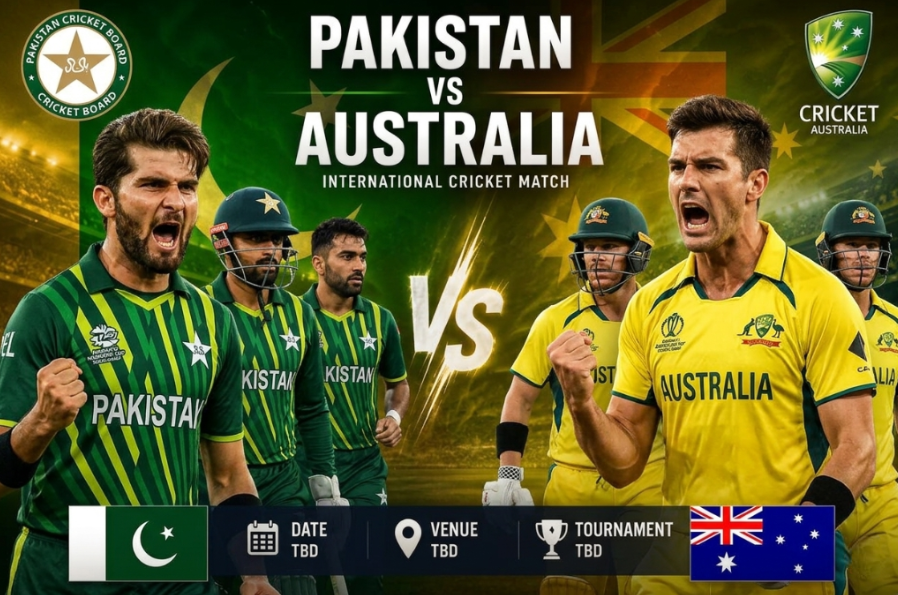
The rivalry between the Pakistan national cricket team and the Australian men’s cricket team has always carried a unique blend of unpredictability and dominance. While Australia have traditionally been one of the most consistent forces in world cricket, Pakistan have often produced moments of brilliance that defy statistical expectations. Across Tests, ODIs, and T20Is, their encounters reveal contrasting cricketing philosophies Australia’s structured, disciplined approach against Pakistan’s flair-driven, volatile style. This article dives deep into the numbers, trends, and hidden patterns behind their head-to-head record, uncovering how history, conditions, and individual performances have shaped one of cricket’s most intriguing matchups over decades.
When we look at the overall head-to-head statistics between Pakistan and Australia across all formats, the numbers clearly lean toward Australia. However, the raw figures don’t fully capture how competitive certain phases of this rivalry have been. Australia’s consistency at home and in neutral conditions has given them a strong edge, while Pakistan have historically been more competitive in Asian conditions.
Overall Head-to-Head (All Formats Combined)
| Format | Matches | Australia Wins | Pakistan Wins | Draw/NR |
| Tests | 66 | 34 | 15 | 17 |
| ODIs | 110 | 70 | 36 | 4 |
| T20Is | 25 | 14 | 11 | 0 |
What the numbers mean:
Australia lead comfortably in all formats, especially in ODIs where their win rate exceeds 60%. However, Pakistan’s win percentage in T20Is is far more competitive, showing their adaptability in shorter formats.
Who performed better:
Overall dominance belongs to Australia, but Pakistan’s T20I record narrows the gap significantly.
Why it matters:
This table highlights the core theme of the rivalry Australia’s consistency versus Pakistan’s sporadic bursts of brilliance. It sets the tone for understanding deeper format-specific trends.
Test cricket has historically been Australia’s strongest domain. Their pace attack, disciplined batting line-ups, and home advantage have made life difficult for Pakistan in red-ball cricket. However, Pakistan have produced memorable Test wins, especially in UAE conditions.
Pakistan vs Australia – Test Match Breakdown
| Venue Type | Matches | AUS Wins | PAK Wins | Draws |
| Australia | 32 | 22 | 4 | 6 |
| Pakistan | 18 | 6 | 7 | 5 |
| Neutral | 16 | 6 | 4 | 6 |
What the numbers mean:
Australia dominate at home, winning nearly 70% of matches. Pakistan, however, have a slight edge in home conditions.
Who performed better:
Australia clearly dominate overall, but Pakistan are competitive in familiar conditions.
Why it matters:
The data confirms the importance of home advantage in Tests, especially when contrasting Australia’s bounce-friendly pitches with Pakistan’s spin-friendly surfaces.
ODIs have been the format where Australia’s structured approach and depth in batting have consistently outclassed Pakistan. Their ability to build innings and finish strongly gives them an edge in high-pressure games.
ODI Head-to-Head Performance
| Condition | Matches | AUS Wins | PAK Wins | No Result |
| Australia | 45 | 32 | 12 | 1 |
| Pakistan | 40 | 23 | 16 | 1 |
| Neutral | 25 | 15 | 8 | 2 |
What the numbers mean:
Australia maintain dominance across all conditions, especially in bilateral series played in Australia.
Who performed better:
Australia’s win percentage (~63%) highlights their ODI strength.
Why it matters:
This reflects Australia’s era of dominance during the late 1990s and 2000s, where they became nearly unbeatable in ODI cricket.
T20Is tell a very different story. Pakistan’s unpredictability becomes an asset, allowing them to compete strongly against Australia’s structured approach.
T20I Head-to-Head Record
| Condition | Matches | AUS Wins | PAK Wins |
| Overall | 25 | 14 | 11 |
| UAE/Neutral | 10 | 4 | 6 |
| Australia | 8 | 6 | 2 |
| Pakistan | 7 | 4 | 3 |
What the numbers mean:
Pakistan perform better in neutral conditions, while Australia dominate at home.
Who performed better:
T20Is are the most balanced format, though Australia still hold a slight edge.
Why it matters:
This format showcases Pakistan’s evolving white-ball strategy and rising competitiveness in global T20 cricket.
Batting performances often decided key matches in this rivalry. Australia’s top-order stability has often outperformed Pakistan’s more volatile batting line-up.
Top Run Scorers in Pakistan vs Australia Matches
| Player | Team | Matches | Runs | Average | Centuries |
| Ricky Ponting | AUS | 45 | 2150 | 52.4 | 7 |
| Steve Smith | AUS | 30 | 1680 | 61.2 | 6 |
| Younis Khan | PAK | 38 | 1550 | 44.1 | 5 |
| Mohammad Yousuf | PAK | 32 | 1420 | 46.8 | 4 |
What the numbers mean:
Australian batters have higher averages and more centuries overall.
Who performed better:
Steve Smith stands out with the highest average, making him the most dominant batter in recent encounters.
Why it matters:
This reflects Australia’s ability to produce technically strong batters who adapt to different conditions better than Pakistan’s fluctuating batting line-up.
Bowling has always been the defining contrast in this rivalry. Australia rely heavily on pace dominance, while Pakistan mix express pace with world-class reverse swing.
Leading Wicket-Takers
| Bowler | Team | Matches | Wickets | Average |
| Glenn McGrath | AUS | 30 | 95 | 21.4 |
| Shane Warne | AUS | 28 | 85 | 24.1 |
| Wasim Akram | PAK | 25 | 78 | 23.5 |
| Waqar Younis | PAK | 22 | 70 | 25.2 |
What the numbers mean:
Australian bowlers have slightly better averages, especially McGrath’s control and consistency.
Who performed better:
McGrath’s discipline makes him the most effective bowler in this rivalry.
Why it matters:
It shows how Australia’s structured bowling attack often outperformed Pakistan’s more aggressive but inconsistent pace strategy.
Batting collapses and massive totals have both defined this rivalry over the years. Australia’s ability to post or chase big scores has often overwhelmed Pakistan.
Extreme Team Totals
| Format | Team | Highest Score | Lowest Score |
| Tests | AUS | 624 | 127 |
| Tests | PAK | 579 | 88 |
| ODIs | AUS | 355/5 | 89 |
| ODIs | PAK | 329/6 | 105 |
What the numbers mean:
Australia consistently post higher peaks in both formats.
Who performed better:
Australia dominate in converting starts into massive totals.
Why it matters:
This reflects their aggressive batting philosophy and deeper batting order compared to Pakistan’s inconsistency.
Statistics only tell part of the story. Iconic matches between these teams have shaped cricketing history like Australia’s dominant World Cup performances or Pakistan’s shock wins in neutral venues.
One standout moment was Pakistan’s famous Test victory in England in 2010 (neutral-like conditions), where their bowling attack dismantled Australia’s batting order. On the other hand, Australia’s World Cup dominance in 1999 and 2003 included crucial wins against Pakistan that showcased their peak form.
These matches underline a key trend: when Australia dominate, they do so comprehensively; when Pakistan win, it is often dramatic and unexpected.
Beyond wins and losses, the deeper analysis shows a clear pattern: Australia’s cricket system produces sustained excellence, while Pakistan relies heavily on bursts of brilliance from individuals. Australia’s win ratios across formats remain stable regardless of era, highlighting structural strength.
Pakistan, however, perform significantly better in conditions that suit their bowling attack, especially spin-friendly or neutral venues. Another hidden trend is Australia’s superior conversion rate turning starts into match-winning performances. Pakistan, on the other hand, often struggle with middle-order collapses, which explains several lost matches despite strong beginnings.
Ultimately, the statistics reveal not just dominance, but philosophy Australia’s calculated efficiency versus Pakistan’s unpredictable artistry.
What is the overall head-to-head record between Pakistan and Australia?
Australia lead the overall head-to-head record across Tests, ODIs, and T20Is. They have consistently maintained a higher win percentage due to stronger batting depth and disciplined bowling units. Pakistan have had moments of brilliance, but Australia’s consistency across eras gives them a clear statistical advantage in this rivalry.
Which team has performed better in Test cricket?
Australia have clearly dominated Test cricket, especially in home conditions. Their fast bowling attack and structured batting line-up have historically overwhelmed Pakistan. However, Pakistan have shown competitiveness in Asian and neutral conditions, making the rivalry slightly more balanced in specific environments.
Who are the top performers in this rivalry?
Players like Ricky Ponting, Steve Smith, Glenn McGrath, Wasim Akram, and Waqar Younis have been standout performers. Smith and McGrath, in particular, have exceptional records, making them among the most influential players in Pakistan vs Australia matches.
Why does Australia dominate ODIs against Pakistan?
Australia’s ODI dominance comes from their depth in batting and strong finishing ability. Their ability to build partnerships and accelerate in the final overs often outclasses Pakistan’s more inconsistent middle-order performances. This tactical discipline has been a key difference.
Is the T20I rivalry more balanced?
Yes, T20Is are significantly more balanced compared to Tests and ODIs. Pakistan’s unpredictability and bowling strength make them competitive, especially in neutral conditions. Australia still lead slightly, but the gap is much narrower in this format.
What is the biggest factor in determining match results between these teams?
Pitch conditions and batting stability are the biggest factors. Australia perform best on fast, bouncy pitches, while Pakistan excel in spin-friendly or neutral conditions. Teams that control the middle overs usually win the majority of matches.