Physical Address
304 North Cardinal St.
Dorchester Center, MA 02124
Physical Address
304 North Cardinal St.
Dorchester Center, MA 02124
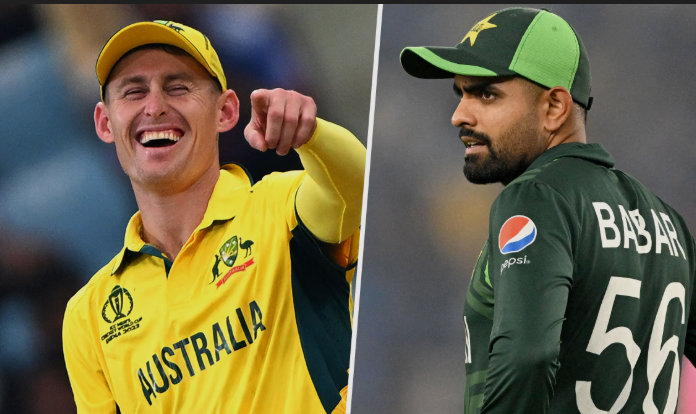
The Pakistan National Cricket Team Vs Australian Men’s Cricket Team rivalry stands among the most compelling contests in international cricket, built on decades of contrasting styles, fierce competition, and unforgettable scorecards. Australia’s disciplined structure and ruthless consistency have often clashed with Pakistan’s unpredictable brilliance and flair. From early Test battles to modern T20 thrillers, every era has produced defining moments that shifted momentum between the two sides. Fans from both nations treat these encounters as more than just matches; they are emotional events shaped by pressure, pride, and legacy. Over time, this rivalry has evolved into a rich cricketing story filled with drama, tactical depth, and legendary performances.
| Team | Score | Key Performers | Match Result |
|---|---|---|---|
| Australia | 157 all out (42 overs) | Josh Inglis 65 (71) Marnus Labuschagne 19 (39) | Pakistan won by 4 wickets |
| Pakistan | 161 for 6 (41.5 overs) | Babar Azam 40 (84) Shadab Khan 29 (42) | Shaheen Afridi: 3 for 30 Abrar Ahmed: 2 for 19 |
| Match | Date | Format | Venue | Result |
|---|---|---|---|---|
| Third ODI | June 4, 2026 | ODI | Lahore | Pakistan won by 4 wickets |
| Second ODI | June 2, 2026 | ODI | Lahore | Australia won by 41 runs |
| First ODI | May 30, 2026 | ODI | Rawalpindi | Pakistan won by 5 wickets |
| Third T20I | February 1, 2026 | T20I | Lahore | Pakistan won by 111 runs |
| Second T20I | January 31, 2026 | T20I | Lahore | Pakistan won by 90 runs |
| First T20I | January 29, 2026 | T20I | Lahore | Pakistan won by 22 runs |
| Batsman | Team | Format | Key Statistics |
|---|---|---|---|
| Josh Inglis | Australia | ODI Series 2026 | Most consistent batsman across the tour |
| Babar Azam | Pakistan | ODI Series 2026 | Highest individual anchors for the team |
| Saim Ayub | Pakistan | T20I Series 2026 | Top scorer in the shortest format |
| Bowler | Team | Format | Best Bowling Figures |
|---|---|---|---|
| Shaheen Shah Afridi | Pakistan | ODI Series 2026 | 3 for 30 in the final ODI match |
| Arafat Minhas | Pakistan | ODI Series 2026 | 5 for 32 in the first ODI match |
| Nathan Ellis | Australia | ODI Series 2026 | Primary breakthrough bowler for Australia |
| Abrar Ahmed | Pakistan | Tour Overall | Highest economy pressure spinner |
| Format | Total Played | Australia Wins | Pakistan Wins | No Result or Draws |
|---|---|---|---|---|
| Tests | 72 | 37 | 15 | 20 |
| ODIs | 111 | 71 | 36 | 4 |
| T20Is | 28 | 13 | 14 | 1 |
| All Formats Overall | 211 | 121 | 65 | 25 |
The rivalry between Pakistan and Australia began with contrasting cricket identities that immediately made their encounters compelling. Australia entered as a structured, dominant force with disciplined batting and relentless pace bowling, while Pakistan brought flair, unpredictability, and moments of brilliance that could shift any match. Early Test series laid the foundation for respect and tension between both sides. Australia often controlled scorecards with steady partnerships, but Pakistan’s fast bowlers regularly disrupted momentum with sudden bursts of wickets. These early matches did not just produce results, they created psychological battles that would define decades. Fans quickly recognized that no lead was safe when these two teams met.
| Season | Matches | Pakistan Wins | Australia Wins | Key Performance Highlights |
|---|---|---|---|---|
| 1972-73 | 3 Tests | 1 | 2 | Imran-like bowling impact, Australian batting depth |
| 1979 | 3 Tests | 0 | 2 | Lillee pace dominance, Pakistan collapse phases |
| 1983 | 3 Tests | 1 | 1 | Miandad resistance innings, tight finishes |
| 1988 | 3 Tests | 1 | 2 | Wasim Akram emergence, Australian consistency |
As the rivalry matured, Pakistan began to challenge Australia more consistently, producing matches that swung dramatically across sessions. These iconic clashes highlighted Pakistan’s ability to recover from pressure situations and Australia’s skill in closing out games. Scorecards from this era show tight first innings battles where neither side dominated completely. Legendary players shaped outcomes through individual brilliance, often turning matches within a single spell or innings. Pakistan’s middle order resistance frequently frustrated Australian bowlers, while Australia’s top order built strong platforms. These encounters created a competitive balance that elevated the rivalry into one of cricket’s most respected contests.
| Season | Matches | Pakistan Wins | Australia Wins | Key Performance Highlights |
|---|---|---|---|---|
| 1994 | 3 ODIs | 1 | 2 | Inzamam consistency, Warne spin control |
| 1995 | 3 Tests | 1 | 1 | Wasim reverse swing mastery |
| 1998 | 5 ODIs | 2 | 3 | Afridi explosive starts, Hayden emergence |
| 1999 | World Series | 1 | 2 | Close finishes, strong bowling duels |
World Cup meetings between Pakistan and Australia intensified the rivalry due to high stakes and global attention. Australia’s reputation as a knockout specialist often clashed with Pakistan’s unpredictable tournament performances. Scorecards in these matches reflect pressure-driven collapses and match-winning innings under extreme conditions. Australia frequently relied on stable opening partnerships and disciplined bowling attacks, while Pakistan depended on bursts of brilliance from pace bowlers and middle-order fightbacks. These encounters were not just about runs and wickets but about handling pressure in front of massive crowds. Every World Cup clash added emotional weight to the rivalry narrative.
| Season | Matches | Pakistan Wins | Australia Wins | Key Performance Highlights |
|---|---|---|---|---|
| 1999 WC | 1 | 0 | 1 | Australia bowling dominance |
| 2003 WC | 1 | 0 | 1 | Gilchrist explosive batting |
| 2011 WC | 1 | 0 | 1 | Watson all-round performance |
| 2015 WC | 1 | 0 | 1 | Starc pace destruction |
Test cricket between Pakistan and Australia has always been a true examination of technique, patience, and mental strength. Australia’s pace attack traditionally targeted Pakistan’s batting lineup with relentless accuracy, while Pakistan’s bowlers used reverse swing and variation to challenge Australian conditions. Scorecards often show long batting partnerships followed by sudden collapses that shifted match control. These five-day battles were defined by endurance rather than explosive moments. Players like bowlers operating long spells and batters surviving difficult sessions shaped outcomes. The tactical depth in Tests made this rivalry one of the most technically demanding contests in international cricket.
| Season | Matches | Pakistan Wins | Australia Wins | Key Performance Highlights |
|---|---|---|---|---|
| 2002 | 3 Tests | 1 | 2 | McGrath consistency |
| 2004 | 3 Tests | 0 | 3 | Ponting batting dominance |
| 2010 | 2 Tests | 1 | 1 | Younis Khan century |
| 2019 | 2 Tests | 0 | 2 | Lyon spin control |
The ODI era introduced tactical evolution where both teams adapted their strategies significantly. Australia developed a powerful batting lineup supported by structured bowling plans, while Pakistan relied on unpredictable fast bowling and aggressive batting bursts. Scorecards from this period show frequent momentum shifts, especially during middle overs. Australia’s finishing ability often gave them an edge, but Pakistan’s bowling attacks could dismantle strong batting orders on their day. Fielding standards and fitness levels also became crucial deciding factors. This phase of the rivalry showed how modern cricket was becoming more strategic and less dependent on individual brilliance alone.
| Season | Matches | Pakistan Wins | Australia Wins | Key Performance Highlights |
|---|---|---|---|---|
| 2007 | 5 ODIs | 2 | 3 | Gilchrist power hitting |
| 2010 | 5 ODIs | 2 | 3 | Afridi impact spells |
| 2014 | 3 ODIs | 1 | 2 | Maxwell finishing ability |
| 2017 | 5 ODIs | 2 | 3 | Babar Azam emergence |
T20 cricket brought explosive intensity to the Pakistan vs Australia rivalry, where matches often changed within a few overs. Pakistan’s fast bowlers and dynamic all-rounders challenged Australia’s aggressive batting depth. Australia responded with powerful hitters capable of accelerating rapidly during the death overs. Scorecards in T20s reflect rapid momentum swings, with no team able to dominate consistently. Individual performances became more decisive than team totals, and finishing skills often decided outcomes. This format added a new layer of unpredictability, making every encounter feel like a last-over thriller regardless of earlier dominance.
| Season | Matches | Pakistan Wins | Australia Wins | Key Performance Highlights |
|---|---|---|---|---|
| 2010 | 2 T20Is | 1 | 1 | Umar Gul bowling impact |
| 2012 | 2 T20Is | 1 | 1 | Warner aggressive starts |
| 2018 | 1 T20I | 1 | 0 | Rizwan finishing innings |
| 2022 | 3 T20Is | 1 | 2 | Finch power hitting |
The Pakistan National Cricket Team Vs Australian Men’s Cricket Team rivalry continues to represent one of cricket’s most balanced yet emotionally charged contests. Across formats and generations, both teams have produced unforgettable scorecards that reflect shifting dominance and evolving strategies. Australia’s consistency and mental strength have often set benchmarks, while Pakistan’s unpredictability has repeatedly challenged expectations. From Tests that tested patience to T20s that demanded explosive execution, this rivalry has never been one-dimensional. As new players emerge and modern tactics evolve, the future promises even more intense battles. Ultimately, this rivalry remains a symbol of cricket’s beauty, where structure meets spontaneity in every encounter.