Physical Address
304 North Cardinal St.
Dorchester Center, MA 02124
Physical Address
304 North Cardinal St.
Dorchester Center, MA 02124
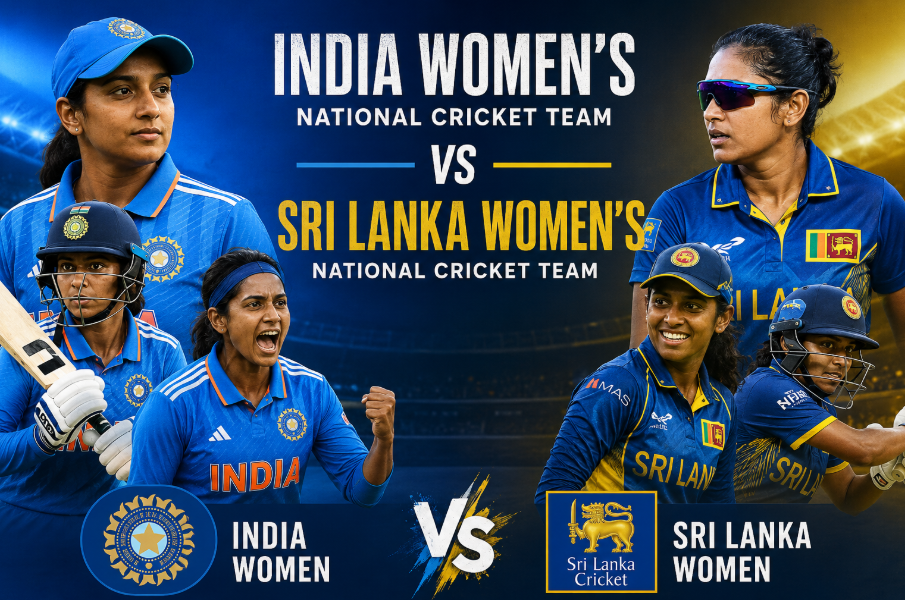
The rivalry between the India Women’s National Cricket Team and the Sri Lanka Women’s National Cricket Team has grown steadily from a one sided beginning into a more competitive and emotionally charged contest in Asian women’s cricket. What started as routine victories for India slowly transformed into hard fought battles where Sri Lanka began challenging stronger opponents with improved spin bowling and better batting structure. Across Asia Cups, World Cups, and bilateral series, this timeline reflects changing strategies, rising pressure moments, and evolving player performances. Each encounter added new layers of intensity, making this rivalry an important part of women’s cricket history in the subcontinent.
| Date | Format | Venue | Winner | Margin |
|---|---|---|---|---|
| 30 Dec 2025 | T20I | Thiruvananthapuram, India | India | Won by 15 runs |
| 28 Dec 2025 | T20I | Thiruvananthapuram, India | India | Won by 30 runs |
| 26 Dec 2025 | T20I | Thiruvananthapuram, India | India | Won by 8 wickets |
| 23 Dec 2025 | T20I | Visakhapatnam, India | India | Won by 7 wickets |
| 21 Dec 2025 | T20I | Visakhapatnam, India | India | Won by 8 wickets |
| 30 Sep 2025 | ODI | Guwahati, India (World Cup) | India | Won by 59 runs (DLS) |
| 11 May 2025 | ODI | Colombo, Sri Lanka (Tri-Series) | India | Won by 97 runs |
| 04 May 2025 | ODI | Colombo, Sri Lanka (Tri-Series) | Sri Lanka | Won by 3 wickets |
| 27 Apr 2025 | ODI | Colombo, Sri Lanka (Tri-Series) | India | Won by 9 wickets |
| 09 Oct 2024 | T20I | Dubai, UAE (World Cup) | India | Won by 82 runs |
| 28 Jul 2024 | T20I | Dambulla, Sri Lanka (Asia Cup) | Sri Lanka | Won by 8 wickets |
| Format | Total Played | India Wins | Sri Lanka Wins | No Result / Tied | India Win % |
|---|---|---|---|---|---|
| ODI (WODI) | 35 | 31 | 3 | 1 | 88.57% |
| T20I (WT20I) | 31 | 25 | 5 | 1 | 80.64% |
| Combined | 66 | 56 | 8 | 2 | 84.84% |
| Category | Player Name | Team | Match Performance Details |
|---|---|---|---|
| Most T20I Runs | Chamari Athapaththu | Sri Lanka | 574 Runs over 25 innings |
| Most T20I Runs (India) | Jemimah Rodrigues | India | 443 Runs over 13 innings |
| Highest T20I Score | Smriti Mandhana | India | 80 runs (Thiruvananthapuram, 2025) |
| Highest Score (SL) | Chamari Athapaththu | Sri Lanka | 80 runs (T20 World Cup) |
| Record Team Score | Team India | India | 221/2 (20 overs, Dec 2025) |
| Key Bowling Spell | Sneh Rana | India | 4 wickets (ODI Tri-Series Final, 2025) |
| Type | Match Context | Winner | Margin Details |
|---|---|---|---|
| Biggest ODI Win (Runs) | Bilateral Match (2000) | India | Won by 141 runs |
| Biggest ODI Win (Wickets) | ICC Championship (2022) | India | Won by 10 wickets |
| Biggest T20I Win (Runs) | T20 World Cup (2024) | India | Won by 82 runs |
| Closest T20I Match (Runs) | Bilateral T20I (2018) | India | Won by 13 runs |
| Closest ODI Match (Balls) | Tri-Series (May 2025) | Sri Lanka | Won by 3 wickets (5 balls remaining) |
| Closest T20I Match (Score) | Bilateral T20I (Dec 2025) | India | Won by 15 runs (SL fought to 160/7) |
The first phase of India Women versus Sri Lanka Women rivalry began with clear dominance from India, but it slowly built the foundation of a competitive Asian cricket storyline. India entered with a more structured batting order, stronger pace options, and experienced leadership. Sri Lanka, meanwhile, relied heavily on spin bowling and defensive field setups. Early matches often saw India posting competitive totals and then controlling chases with ease. However, Sri Lanka showed glimpses of fight through middle order resistance and disciplined bowling spells. These early encounters were not just one sided contests, they created the emotional base of the rivalry where Sri Lanka learned, adapted, and gradually closed gaps in key departments over time.
| Season | Matches | Winner | Key Performance | Notes |
|---|---|---|---|---|
| 2005-08 | 4 | India | Strong top order batting | One sided early dominance |
| 2009-12 | 5 | India | Spin control in middle overs | Sri Lanka improving |
| 2013-15 | 3 | India | All round consistency | Sri Lanka competitive spells |
| 2016-18 | 4 | India | Bowling depth impact | Narrowing performance gap |
The Asia Cup phase marked a turning point where the rivalry became more competitive and emotionally charged. India still held the upper hand, but Sri Lanka began challenging them with sharper bowling strategies and better batting partnerships. India’s top order, especially experienced batters, played crucial anchor roles while accelerating in the final overs. Sri Lanka’s spin attack started troubling Indian middle order batters in certain matches, especially on slower pitches. These contests were no longer predictable, as pressure situations often pushed both teams into tighter finishes. Crowd energy in neutral venues also amplified intensity, making every India versus Sri Lanka Asia Cup clash feel like a high stakes encounter rather than a routine group stage game.
| Season | Matches | Winner | Key Performance | Notes |
|---|---|---|---|---|
| 2012 | 2 | India | Stable chase execution | Sri Lanka fought hard |
| 2016 | 2 | India | Middle order stability | Close group matches |
| 2018 | 1 | India | Death overs control | Sri Lanka strong spin |
| 2022 | 1 | India | All round dominance | Tactical superiority |
T20 World Cup meetings added a new level of pressure and unpredictability to the rivalry. India approached these games with aggressive intent in powerplay overs, often aiming to dominate early. Sri Lanka focused on containment, using spin and tight field placements to slow scoring. These contrasting strategies created intense battles in the middle overs. India’s experienced batters often held the innings together during collapses or tight phases, while Sri Lanka looked for breakthroughs through disciplined bowling spells. Fielding also played a crucial role, with dropped catches and sharp run outs changing momentum quickly. In global tournaments, even small mistakes became match defining moments, making these clashes unforgettable in the rivalry timeline.
| Season | Matches | Winner | Key Performance | Notes |
|---|---|---|---|---|
| 2010 | 1 | India | Powerplay batting surge | Sri Lanka struggled |
| 2014 | 1 | India | Spin dominance | Low scoring match |
| 2018 | 1 | India | Death over control | Competitive middle overs |
| 2023 | 1 | India | All round balance | High pressure finish |
ODI series between India Women and Sri Lanka Women reflect tactical evolution over time. India built its strength around rotating strike, building partnerships, and accelerating in the final overs. Sri Lanka increasingly relied on spin friendly conditions and slower pitch exploitation to challenge Indian batters. Over the years, India improved its ability to handle spin, reducing collapses in middle overs. Sri Lanka, on the other hand, worked on stabilizing their batting order and reducing early wickets. These bilateral series also showed how both teams started using data driven strategies for match preparation. Bowling matchups became more targeted, and captaincy decisions increasingly influenced outcomes, especially during powerplays and death overs.
| Season | Matches | Winner | Key Performance | Notes |
|---|---|---|---|---|
| 2013 | 3 | India | Partnership building | Sri Lanka inconsistent |
| 2016 | 3 | India | Spin handling improved | Competitive spells |
| 2019 | 3 | India | Death overs dominance | Tactical planning |
| 2022 | 3 | India | Complete team balance | Sri Lanka improved depth |
Turning point matches defined the emotional and competitive shape of this rivalry. There were games where Sri Lanka came extremely close to upsetting India but failed due to late innings collapses or crucial wickets. India also produced dominant wins that reinforced their psychological edge in pressure moments. Several matches featured record partnerships, unexpected bowling spells, and last over finishes that shifted momentum dramatically. These encounters highlighted the importance of temperament under pressure. India often capitalized on experience during crunch moments, while Sri Lanka showed heart but struggled with consistency in finishing phases. Over time, these turning points created a pattern where India maintained an edge, but Sri Lanka gained respect as a dangerous opponent capable of surprises.
| Season | Matches | Winner | Key Performance | Notes |
|---|---|---|---|---|
| 2015 | 1 | India | Last over finish control | Narrow escape |
| 2017 | 1 | India | Record partnership | Sri Lanka collapse |
| 2020 | 1 | India | Bowling dominance | Low scoring game |
| 2023 | 1 | India | Pressure chase success | Sri Lanka near upset |
The India Women versus Sri Lanka Women timeline shows a rivalry shaped by growth, learning, and gradual competitiveness rather than sudden shifts. India has consistently maintained dominance through deeper batting strength, superior bowling variations, and stronger match temperament in crucial moments. However, Sri Lanka’s progress in spin attack, fielding standards, and batting resilience has made several matches more competitive than before. Over time, this rivalry has moved from predictable outcomes to tense encounters where momentum can shift quickly. It now stands as a developing Asian cricket rivalry that continues to evolve, promising even closer contests and stronger performances in future meetings.