Physical Address
304 North Cardinal St.
Dorchester Center, MA 02124
Physical Address
304 North Cardinal St.
Dorchester Center, MA 02124
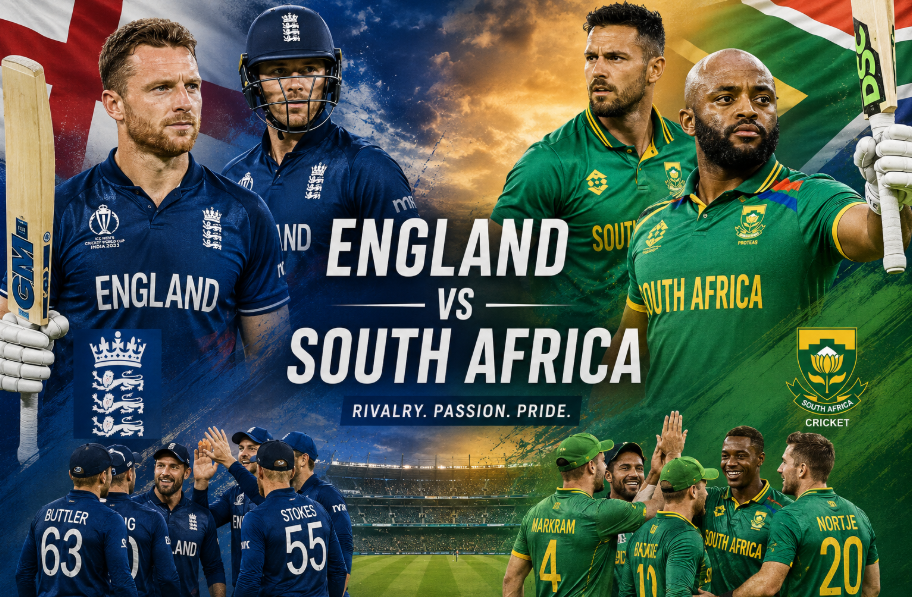
The rivalry between the England Cricket Team and the South Africa National Cricket Team is one of the most layered stories in international cricket history. It stretches across eras, political interruptions, tactical revolutions, and emotional comebacks. From the earliest Test encounters in the late 19th century to the explosive modern white ball battles, this timeline reflects how both teams evolved under pressure. England’s traditional discipline often clashed with South Africa’s raw pace and athletic intensity. Over time, the scorecards tell a deeper story of shifting dominance, iconic performances, and unforgettable match moments that shaped global cricket narratives for generations.
| Date [1, 2, 3, 4, 5] | Format | Venue | Winner | Match Result / Margin |
|---|---|---|---|---|
| Sep 14, 2025 | T20I | Trent Bridge, Nottingham | None | Match Abandoned |
| Sep 12, 2025 | T20I | Old Trafford, Manchester | England | England won by 146 runs |
| Sep 10, 2025 | T20I | Sophia Gardens, Cardiff | South Africa | South Africa won by 14 runs DLS method |
| Sep 07, 2025 | ODI | The Rose Bowl, Southampton | England | England won by 342 runs |
| Sep 04, 2025 | ODI | Lord’s, London | South Africa | South Africa won by 5 runs |
| Sep 02, 2025 | ODI | Headingley, Leeds | South Africa | South Africa won by 7 wickets |
| Mar 01, 2025 | ODI | National Stadium, Karachi | South Africa | South Africa won by 7 wickets Champions Trophy |
| Jun 21, 2024 | T20I | Daren Sammy Ground, St Lucia | South Africa | South Africa won by 7 runs T20 World Cup Super 8 |
| Cricket Format [6] | Total Matches Played | England Wins | South Africa Wins | Draws / Ties / No Result |
|---|---|---|---|---|
| Test Matches | 160 | 66 | 35 | 59 Draws |
| One Day Internationals ODI | 72 | 31 | 35 | 1 Tie, 5 No Results |
| T20 Internationals T20I | 27 | 13 | 13 | 1 No Result |
| Overall Combined | 259 | 110 | 83 | 66 |
| Milestone Type | Cricket Format | Record Holder | Performance Details |
|---|---|---|---|
| Highest Team Total | Test | England | 658/9 declared Manchester, 1935 |
| Highest Team Total | ODI | England | 414/5 Southampton, 2025 |
| Highest Team Total | T20I | England | 304/2 Manchester, 2025 |
| Lowest Team Total | ODI | South Africa | 69 all out Luton, 1996 / 72 all out 2025 |
| Lowest Team Total | T20I | England | 101 all out Southampton, 2022 |
| Highest Individual Innings | ODI SA | Hashim Amla | 150 runs Southampton, 2012 |
| Highest Individual Innings | ODI ENG | Jos Buttler | 131 runs Kimberley, 2023 |
| Best Bowling Innings | Test SA | Hugh Tayfield | 9 wickets for 113 runs Johannesburg, 1957 |
| Best Bowling Innings | ODI ENG | Jofra Archer | 6 wickets for 40 runs Kimberley, 2023 |
| Match Category [7, 8, 9, 10] | Format | Winner | Winning Margin | Match Details and Year |
|---|---|---|---|---|
| Biggest Win Runs ODI | ODI | England | 342 runs | ENG 414/5 def SA 72 in 2025 |
| Biggest Win Runs T20I | T20I | England | 146 runs | ENG 304/2 def SA 158 in 2025 |
| Biggest Win Runs WC | ODI | South Africa | 229 runs | SA 399/7 def ENG 170 in 2023 World Cup |
| Biggest Win Innings Test | Test | England | Innings and 85 runs | Old Trafford Test in 2022 |
| Closest Match By Runs | T20I | South Africa | 1 run | SA 177/8 def ENG 176/9 in 2020 |
| Closest Match By Runs | T20I | England | 2 runs | ENG 204/7 def SA 202/7 in 2020 |
| Closest Match By Runs | ODI | South Africa | 5 runs | SA 330/8 def ENG 325/9 in 2025 |
| Closest Match By Runs WC | T20I | South Africa | 7 runs | SA 163/6 def ENG 156/6 in 2024 World Cup |
England and South Africa first built their rivalry through early Test matches that were shaped by patience, technique, and difficult playing conditions. England relied heavily on structured batting and disciplined bowling, while South Africa began developing a stronger fast bowling identity. These matches were often low scoring and heavily influenced by pitch conditions and weather. England held the upper hand in early results, but South Africa’s resilience slowly changed the balance. The scorecards from this phase show long batting innings, frequent collapses, and bowlers dominating most sessions. This stage created the emotional and tactical foundation of a rivalry that would grow into one of cricket’s most respected international battles over time.
| Season | Scorecard Summary | Winner | Key Performance | Format |
|---|---|---|---|---|
| 1889–1905 | Low scoring Tests, bowlers dominated | England | English spin and swing control | Test |
| 1905–1913 | Competitive but England dominant | England | Top order batting stability | Test |
| 1913–1924 | Interrupted cricket cycles | Mixed | Emerging SA pace attack | Test |
| 1924–1935 | More balanced contests | England | SA improved bowling strength | Test |
During the pre war era, the rivalry between England and South Africa became more balanced and competitive. South Africa developed stronger fast bowlers who could exploit English conditions, while England continued relying on experienced batsmen and controlled bowling attacks. Matches were often decided in the second innings, with momentum swings shaping outcomes. Scorecards from this period show more competitive totals and fewer one sided games. South Africa began challenging England more consistently, especially at home. Tactical awareness improved as both teams started focusing on match strategy rather than just individual performances. This era marked the transition of South Africa from underdog status to a serious Test cricket competitor against England.
| Season | Scorecard Summary | Winner | Key Performance | Format |
|---|---|---|---|---|
| 1935–1939 | Closely fought Test series | England | SA pace attack rise | Test |
| 1940–1945 | Cricket suspended | No series | World War impact | Test |
| 1946–1949 | England regained control | England | Batting depth advantage | Test |
| 1950–1955 | Balanced competitive matches | Mixed | SA bowling consistency | Test |
After World War II, both England and South Africa returned to international cricket with improved strategies and greater professionalism. England focused on rebuilding their batting lineup, while South Africa developed one of the most feared pace attacks of the era. Matches became more result oriented with fewer draws and more decisive finishes. Scorecards reflected stronger bowling dominance and sharper fielding standards. England struggled at times against South Africa’s aggressive fast bowling units, especially in away conditions. South Africa also began producing more consistent batting performances, making contests tighter. This period marked a clear tactical shift where planning, fitness, and bowling depth became crucial factors in deciding outcomes.
| Season | Scorecard Summary | Winner | Key Performance | Format |
|---|---|---|---|---|
| 1955–1960 | Fast bowlers dominated matches | South Africa | Pace attack excellence | Test |
| 1960–1965 | England struggled away | South Africa | Home advantage strength | Test |
| 1965–1970 | Mixed competitive series | England | Batting recovery phase | Test |
| 1970–1971 | Disrupted cricket cycle | No clear dominance | Political isolation rising | Test |
South Africa’s isolation from international cricket created a major gap in the rivalry timeline. England continued competing globally, adapting to modern limited overs cricket and evolving Test strategies. During this period, South African cricket developed internally but lacked exposure to international competition. This created a statistical imbalance when the rivalry resumed years later. Scorecards from England’s side show progress in limited overs formats, while South Africa’s absence is clearly visible in the historical record. This era is important not for matches played, but for the missed competitive development between the two teams. The emotional and sporting gap added intensity to future encounters after South Africa’s return.
| Season | Scorecard Summary | Winner | Key Performance | Format |
|---|---|---|---|---|
| 1971–1990 | No official matches | No series | SA isolation period | All formats |
| 1980s | England ODI growth | England | White ball development | ODI |
| Late 1980s | SA domestic dominance | N/A | Internal cricket strength | Domestic |
| 1991 transition | Return preparation phase | N/A | SA rebuilding squad | ODI/Test |
South Africa’s return to international cricket reignited the rivalry with England in a highly competitive environment. Both teams entered a modern era of fitness driven, aggressive cricket. Fast bowlers dominated early encounters, while batsmen adapted to higher scoring demands. Scorecards from this phase show closer matches, thrilling finishes, and standout individual performances. Players like Allan Donald and Shaun Pollock for South Africa and Alec Stewart and Michael Atherton for England became central figures. Tactical planning, fielding intensity, and pressure handling defined outcomes. This revival era restored the rivalry’s global importance and created some of the most memorable contests in modern cricket history.
| Season | Scorecard Summary | Winner | Key Performance | Format |
|---|---|---|---|---|
| 1994–1998 | Tight Test and ODI series | Mixed | Donald bowling spells | Test/ODI |
| 1999–2003 | ICC tournament clashes | England | ODI batting depth | ODI |
| 2004–2010 | Balanced modern contests | South Africa | Pollock consistency | All formats |
| 2011–2016 | High scoring modern games | England | White ball dominance | ODI/T20 |
The England vs South Africa cricket timeline is more than just numbers on scorecards. It is a reflection of changing cricket eras, interrupted history, and revived passion. Both teams have experienced dominance at different stages, shaped by fast bowlers, resilient batters, and tactical innovation. South Africa’s isolation years created a gap that only intensified the rivalry upon their return. In modern cricket, the contest remains fiercely balanced, especially in ICC events and limited overs formats. Every match adds a new chapter filled with pressure, emotion, and elite performances, ensuring this rivalry continues to remain one of cricket’s most compelling battles.