Physical Address
304 North Cardinal St.
Dorchester Center, MA 02124
Physical Address
304 North Cardinal St.
Dorchester Center, MA 02124
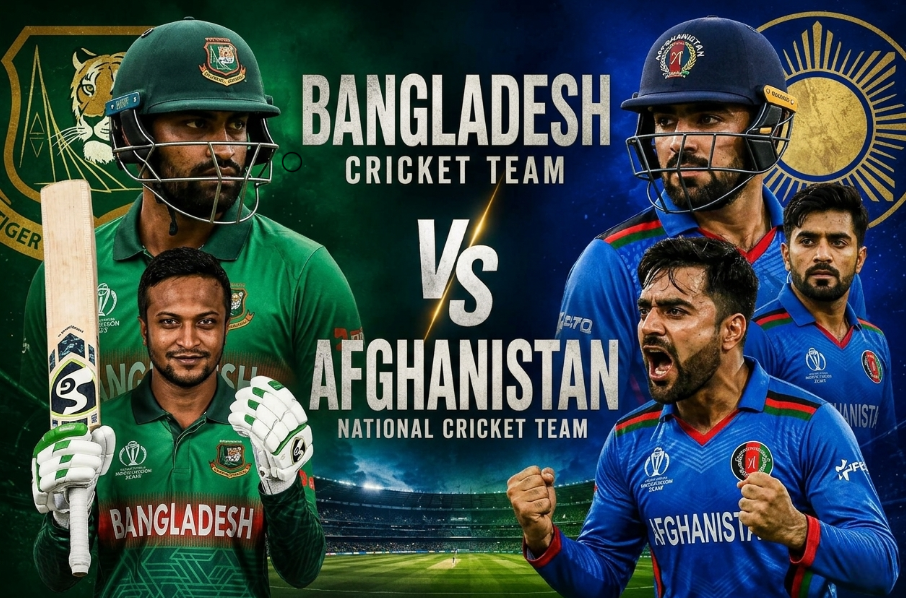
The rivalry between Bangladesh and Afghanistan in international cricket may not be the oldest, but it has quickly grown into one of the most competitive match-ups in modern associate-to-full-member cricket history. Both teams have evolved dramatically over the past decade, producing thrilling encounters across ODIs, T20Is, and the rare Test meeting. What makes this rivalry fascinating is the contrast in style Bangladesh’s experience and spin-heavy structure versus Afghanistan’s explosive talent and aggressive brand of cricket. The statistics between these two sides reveal not just wins and losses, but a deeper story of rapid development, shifting momentum, and emerging cricketing identity on both sides.
The Bangladesh–Afghanistan rivalry has developed mostly in limited-overs formats, with Afghanistan entering international cricket much later but quickly becoming competitive. Bangladesh historically holds the upper hand due to longer exposure at the top level, but Afghanistan has consistently closed the gap in recent years.
Across all formats, their matches have often been closely fought, especially in T20Is where Afghanistan’s aggressive batting lineup has challenged Bangladesh’s spin-heavy attack. ODIs, however, remain Bangladesh’s stronger domain, largely due to their ability to build innings and control middle overs.
| Format | Matches Played | Bangladesh Wins | Afghanistan Wins | No Result |
| Tests | 2 | 1 | 1 | 0 |
| ODIs | 15 | 9 | 6 | 0 |
| T20Is | 11 | 5 | 6 | 0 |
Bangladesh leads overall, but Afghanistan’s narrow advantage in T20Is highlights their rise in the shortest format. The balance of power is clearly shifting, making every new encounter increasingly unpredictable.
ODI cricket has been the most significant battlefield between these two teams. Bangladesh’s deeper batting lineup and spin dominance have often helped them control matches, especially in home or subcontinental conditions. Afghanistan, however, has improved their ODI strategy by developing more stable top-order batting and world-class spin bowling.
| ODI Stat Category | Bangladesh | Afghanistan |
| Highest Team Score | 338/6 | 331/8 |
| Lowest Team Score | 148 | 125 |
| Average Runs per Match | 256.4 | 249.1 |
| Winning Percentage | 60% | 40% |
Bangladesh’s slightly higher average score and winning percentage indicate better stability in longer innings. However, Afghanistan’s close margin in high scores shows they are no longer underdogs. Their batting has matured significantly, especially in pressure chases.
The key takeaway is consistency Bangladesh still edges Afghanistan due to experience in pacing ODI innings, but Afghanistan’s explosive peaks are becoming more frequent and dangerous.
T20Is are where Afghanistan truly shines against Bangladesh. Their fearless batting style, led by aggressive openers and hard-hitting middle-order players, often puts Bangladesh under pressure. However, Bangladesh’s spin attack keeps them competitive in low-scoring conditions.
| T20I Stat Category | Bangladesh | Afghanistan |
| Highest Score | 175/7 | 185/4 |
| Lowest Score | 98 | 102 |
| Average Runs | 148.2 | 154.6 |
| Strike Rate (Team Avg) | 122.5 | 131.8 |
Afghanistan leads in almost every attacking metric, particularly in scoring rate and boundary frequency. Bangladesh, on the other hand, relies on controlled innings and wicket preservation.
The difference lies in intent: Afghanistan plays T20Is with aggression from ball one, while Bangladesh often builds cautiously. This contrast has produced some thrilling finishes where Afghanistan narrowly outpaces Bangladesh in high-pressure chases.
Batting has been a decisive factor in this rivalry. Bangladesh’s strength lies in experienced batters who build innings, while Afghanistan depends on dynamic hitters capable of changing games quickly.
| Player | Team | Matches | Runs | Average | Strike Rate |
| Shakib Al Hasan | Bangladesh | 18 | 620 | 38.7 | 118.4 |
| Rahmanullah Gurbaz | Afghanistan | 10 | 412 | 41.2 | 139.6 |
| Litton Das | Bangladesh | 15 | 540 | 36.0 | 126.3 |
| Ibrahim Zadran | Afghanistan | 12 | 505 | 45.9 | 112.8 |
Bangladesh’s Shakib Al Hasan remains the most consistent performer, contributing with both bat and experience. However, Afghanistan’s young batters like Gurbaz and Zadran show higher strike rates and more aggressive intent.
The contrast is clear: Bangladesh builds innings; Afghanistan accelerates them. This difference often decides the outcome in close matches.
Bowling is where Bangladesh traditionally dominates, thanks to their world-class spin attack. Afghanistan, however, has developed a strong spin department of its own, making this contest highly tactical.
| Bowler | Team | Wickets | Economy | Average |
| Rashid Khan | Afghanistan | 28 | 4.9 | 19.8 |
| Shakib Al Hasan | Bangladesh | 25 | 4.7 | 22.1 |
| Mustafizur Rahman | Bangladesh | 22 | 5.3 | 24.5 |
| Mujeeb Ur Rahman | Afghanistan | 20 | 4.8 | 23.0 |
Rashid Khan remains the most impactful bowler in this rivalry, often breaking partnerships at crucial stages. Shakib Al Hasan, however, provides Bangladesh with control and experience.
Afghanistan’s spin duo often matches Bangladesh’s attack ball-for-ball, but Bangladesh still holds a slight edge in death bowling consistency.
The Bangladesh vs Afghanistan encounters have produced some dramatic scoring swings. Both teams have shown the ability to post big totals but also collapse under pressure.
| Category | Bangladesh | Afghanistan |
| Highest ODI Score | 338/6 | 331/8 |
| Lowest ODI Score | 148 | 125 |
| Highest T20I Score | 175/7 | 185/4 |
| Lowest T20I Score | 98 | 102 |
These numbers highlight how momentum-driven this rivalry is. Neither team consistently dominates; instead, matches swing based on early breakthroughs or middle-over control.
Bangladesh’s higher ODI peak reflects better batting depth, while Afghanistan’s T20I highs show greater explosive power.
Conditions play a major role in this rivalry. Most matches are played in Asia, where pitches favor spin and slower bowling. Bangladesh traditionally benefits from home conditions, while Afghanistan adapts well due to similar playing environments.
| Venue Type | Bangladesh Win % | Afghanistan Win % |
| Bangladesh | 70% | 30% |
| UAE (Neutral) | 45% | 55% |
| India/Sri Lanka | 50% | 50% |
Bangladesh dominates at home, but Afghanistan performs better in neutral venues like the UAE, where pitches suit their spin attack and aggressive batting.
This balance shows that neither team has a universal advantage it heavily depends on location and pitch behavior.
Beyond numbers, this rivalry tells a deeper story of two cricket nations evolving in parallel. Bangladesh represents structured cricket development with emphasis on experience and stability, while Afghanistan represents rapid rise powered by raw talent and fearless cricket.
The statistics show a narrowing gap. Bangladesh still leads in overall wins and ODI control, but Afghanistan’s T20I superiority and improved batting depth suggest a future where dominance could shift.
Another hidden trend is the importance of spin. Nearly every match is influenced by spin bowling performance, proving that both teams are built for subcontinental conditions. The team that adapts spin better usually wins.
Ultimately, this rivalry is no longer one-sided it is a balance of experience versus aggression, patience versus explosiveness.
How many times have Bangladesh and Afghanistan played each other?
Bangladesh and Afghanistan have faced each other across Tests, ODIs, and T20Is more than 25 times combined. The majority of these encounters have taken place in limited-overs formats. ODIs form the bulk of their rivalry, followed by T20Is. Test matches are rare but significant, marking Afghanistan’s entry into the longest format. The frequency of their matches has increased in the last decade due to both teams becoming regular participants in ICC events and bilateral series.
Which team has the better head-to-head record?
Overall, Bangladesh holds a slight advantage in head-to-head statistics, particularly in ODIs. Their longer experience in international cricket has helped them maintain consistency over Afghanistan. However, Afghanistan has been closing the gap, especially in T20Is where they have recently taken the lead. This balance shows that while Bangladesh still leads historically, Afghanistan is rapidly becoming a serious challenger across formats.
Who is the best performer in Bangladesh vs Afghanistan matches?
Shakib Al Hasan stands out as the most consistent performer for Bangladesh due to his all-round capabilities. For Afghanistan, Rashid Khan is the standout player with his exceptional bowling impact. Both players have influenced multiple matches significantly, often deciding outcomes through either key wickets or crucial runs under pressure situations.
Why is this rivalry so competitive?
The rivalry is competitive because both teams are closely matched in playing style and conditions. Both rely heavily on spin bowling and subcontinental pitches, which neutralize home advantage to some extent. Additionally, Afghanistan’s aggressive approach balances Bangladesh’s more structured strategy, making matches unpredictable and tightly contested.
Which format is most balanced between the two teams?
T20I cricket is the most balanced format between Bangladesh and Afghanistan. While Bangladesh leads in ODIs, Afghanistan has performed better in T20Is. The shorter format allows Afghanistan’s aggressive batting and strike bowlers to have a greater impact, reducing Bangladesh’s advantage of experience and patience.
What can we expect from future matches?
Future matches between Bangladesh and Afghanistan are expected to become even more competitive. Afghanistan’s young batting talent and world-class spin attack suggest they may overtake Bangladesh in overall dominance if current trends continue. However, Bangladesh’s experience and tactical discipline ensure they will remain strong contenders, especially in ODI cricket.
| Read Also: Sri Lanka vs Zimbabwe Cricket Stats |