Physical Address
304 North Cardinal St.
Dorchester Center, MA 02124
Physical Address
304 North Cardinal St.
Dorchester Center, MA 02124
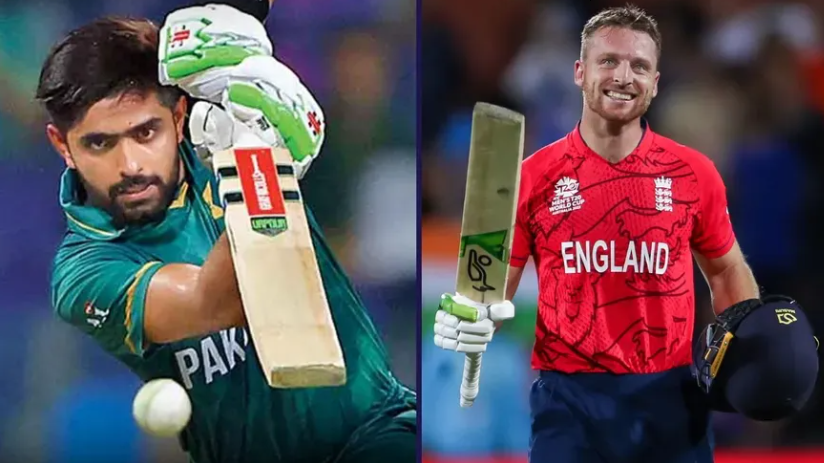
Cricket between the two sides has always carried a unique intensity shaped by history, conditions, and contrasting playing styles. From early encounters in English swing-friendly venues to modern high-scoring limited overs battles, the competition has evolved into one of the most closely followed rivalries in international cricket. Each match brings tactical depth, emotional pressure, and moments that shift momentum in an instant. Over the years, players from both teams have delivered standout performances that defined entire series. Whether it is Test cricket endurance or T20 explosive finishes, the contest reflects adaptability, skill, and mental strength at the highest level of the sport.
| Date | Format | Venue | Winner | Margin | England Score | Pakistan Score |
|---|---|---|---|---|---|---|
| 24 Feb 2026 | T20I | Pallekele | England | 2 wickets | 166/8 | 164/9 |
| 24 Oct 2024 | Test | Rawalpindi | Pakistan | 9 wickets | 267 and 112 | 344 and 37/1 |
| 15 Oct 2024 | Test | Multan | Pakistan | 152 runs | 291 and 144 | 366 and 221 |
| 07 Oct 2024 | Test | Multan | England | Innings and 47 runs | 823/7 d | 556 and 220 |
| 30 May 2024 | T20I | London | England | 7 wickets | 158/3 | 157 |
| 25 May 2024 | T20I | Birmingham | England | 23 runs | 183/7 | 160 |
| 22 May 2024 | T20I | Leeds | Match Abandoned | No Result | 0/0 | 0/0 |
| Format | Total Matches | England Won | Pakistan Won | Tied | No Result | Draws |
|---|---|---|---|---|---|---|
| Test | 95 | 30 | 23 | 0 | 0 | 42 |
| ODI | 92 | 57 | 32 | 0 | 3 | 0 |
| T20I | 32 | 21 | 9 | 1 | 1 | 0 |
| World Cups | 16 | 10 | 5 | 0 | 1 | 0 |
| Bilateral | 181 | 89 | 52 | 1 | 2 | 37 |
| Champions Trophy | 3 | 1 | 2 | 0 | 0 | 0 |
| Overall | 219 | 108 | 64 | 1 | 4 | 42 |
| Player Name | Team | Matches | Innings | Total Runs | Highest Score | Batting Average |
|---|---|---|---|---|---|---|
| Alastair Cook | England | 20 | 38 | 1719 | 263 | 49.11 |
| Inzamam-ul-Haq | Pakistan | 19 | 32 | 1284 | 200 | 45.85 |
| Javed Miandad | Pakistan | 22 | 34 | 1311 | 260 | 45.20 |
| Joe Root | England | 17 | 30 | 1401 | 262 | 51.88 |
| Mohammad Yousuf | Pakistan | 16 | 28 | 1192 | 223 | 44.14 |
| Harry Brook | England | 5 | 8 | 785 | 317 | 98.12 |
| Babar Azam | Pakistan | 15 | 26 | 1025 | 196 | 42.70 |
| Player Name | Team | Matches | Innings | Total Wickets | Best Bowling | Bowling Average |
|---|---|---|---|---|---|---|
| James Anderson | England | 20 | 37 | 84 | 5/54 | 25.82 |
| Abdul Qadir | Pakistan | 16 | 26 | 82 | 9/56 | 24.98 |
| Wasim Akram | Pakistan | 18 | 31 | 74 | 6/67 | 27.31 |
| Stuart Broad | England | 19 | 34 | 60 | 5/37 | 28.15 |
| Waqar Younis | Pakistan | 15 | 27 | 56 | 5/22 | 26.40 |
| Jack Leach | England | 8 | 14 | 33 | 4/66 | 31.25 |
| Noman Ali | Pakistan | 5 | 9 | 26 | 8/46 | 26.53 |
The first meetings between the two sides set the tone for a long and intense cricketing relationship. Early matches were played in contrasting conditions where one side was still building its identity in international cricket while the other relied heavily on experience and home advantage. These early contests were often dominated by disciplined batting from English top order players and steady bowling that exploited familiar pitches. However, the visiting side gradually began to show resilience through technically sound batting and developing pace options. Over time, these matches created a sense of respect mixed with growing competitiveness. Crowd atmosphere in England added pressure, while subcontinental conditions later tested English adaptability. These early games were not just about results but about learning curves, shaping strategies, and building mental toughness that would define future encounters between both teams across formats.
| Test | Year | Venue | Key Moment |
|---|---|---|---|
| Test Series | 1954 | England | Early pace challenge in swing conditions |
| Test Match | 1967 | England | Resilient batting response under pressure |
| ODI Encounter | 1974 | England | First limited overs tactical shift |
| Test Series | 1978 | Pakistan | Spin dominance begins to emerge |
As cricket evolved, fast bowling became a defining factor in shaping contests between these two sides. The rise of world class pace attacks from the subcontinent brought a dramatic shift in balance, especially during tours in English conditions. Seam movement, reverse swing, and aggressive short-pitched bowling created constant pressure on opposition batters. England, traditionally strong against pace in home conditions, began facing unexpected collapses when facing high quality fast bowling combinations. The intensity of spells from elite bowlers often turned stable scorecards into unpredictable situations within a few overs. Batters were forced to adjust techniques, especially against late swing and reverse movement. This era also saw matches where lower order contributions became crucial in saving innings. The psychological edge gained through fast bowling changed the entire flow of contests and added unpredictability to every session of play.
| Match Type | Year | Venue | Key Moment |
|---|---|---|---|
| Test | 1982 | England | Reverse swing impact on top order |
| Test | 1987 | Pakistan | Collapse under pace pressure |
| ODI | 1987 | Neutral | Fast bowling dominates middle overs |
| Test | 1992 | England | Key spell shifts match momentum |
With growing challenges from pace and spin combinations, England began adapting their tactical approach across formats. Batters worked extensively on footwork against seam movement and developed patience in longer formats. Defensive resilience became a key strategy, especially in away tours where conditions were unfamiliar. Coaching systems introduced structured batting plans focusing on survival in difficult phases. Bowlers from England also started using variations more effectively, especially in subcontinental conditions where reverse swing and spin played a major role. Field placements became more aggressive in limited overs formats, aiming to restrict scoring rather than purely taking wickets. These adjustments led to closer contests and reduced dominance from either side. Matches became more balanced, with momentum swinging frequently across sessions. Tactical discipline and patience became as important as raw skill, reshaping how contests unfolded on scorecards.
| Format | Year | Venue | Key Moment |
|---|---|---|---|
| Test | 1996 | Pakistan | Defensive batting holds innings |
| ODI | 1999 | England | Strategic bowling changes succeed |
| Test | 2001 | England | Batting adaptation against spin |
| ODI | 2003 | Neutral | Balanced tactical contest |
ICC tournaments brought a completely different level of intensity, where pressure often influenced outcomes more than form. Matches between the two sides in global events were marked by emotional crowds, high expectations, and moments of individual brilliance under pressure. Batters who could handle nerves often became match winners, while bowlers with calm execution delivered breakthroughs at crucial stages. Several encounters saw dramatic shifts in momentum during middle overs, where partnerships either stabilized innings or triggered collapses. The stakes of knockout stages added further pressure, making every run and wicket critical. These games were remembered not just for results but for emotional intensity and turning points that defined careers. Players who performed under pressure earned long lasting recognition in cricket history.
| Tournament | Year | Venue | Key Moment |
|---|---|---|---|
| World Cup | 1992 | Australia | Pressure chase swings result |
| World Cup | 1996 | India | Middle order collapse under stress |
| World Cup | 2011 | England | High scoring chase battle |
| World Cup | 2019 | England | Dominant batting display |
The arrival of T20 cricket transformed the rivalry into a fast paced and explosive contest. Matches became shorter, but intensity increased significantly as batters adopted aggressive intent from the first ball. Power hitting, innovative shots, and fearless approaches defined modern encounters. Bowlers had to rely heavily on variations, slower deliveries, and yorkers to control scoring. Momentum shifts happened rapidly, often within a single over. Teams focused on maximizing powerplay advantage and accelerating death overs scoring. Close finishes became common, creating unforgettable entertainment for fans. Individual brilliance often decided matches rather than long partnerships. Fielding standards also improved significantly, saving crucial runs and creating run out opportunities. This format added unpredictability and excitement, making every match between these teams a high voltage contest.
| Match Type | Year | Venue | Key Moment |
|---|---|---|---|
| T20 | 2010 | England | Powerplay batting surge |
| T20 | 2012 | UAE | Death over bowling impact |
| T20 | 2016 | India | Chase under pressure |
| T20 | 2022 | Australia | Record partnership chase |
Long format matches between the two sides have always tested patience, technique, and mental strength. Unlike shorter formats, Test cricket demanded consistency over multiple days, where conditions changed significantly from morning to evening sessions. Seam movement early on often favored fast bowlers, while spin became dominant as pitches wore down. Batters who could survive early pressure often went on to build significant innings. Bowlers focused on building pressure through long spells and disciplined lines. Several matches saw dramatic turnarounds after lunch or tea sessions, changing the direction of entire games. Captains played a crucial role in managing resources and reading pitch behavior. These encounters highlighted traditional cricket values, where endurance and discipline mattered as much as skill.
| Match Type | Year | Venue | Key Moment |
|---|---|---|---|
| Test | 2005 | England | Swing bowling dominates early days |
| Test | 2006 | Pakistan | Spin controls middle innings |
| Test | 2018 | England | Batting resilience under pressure |
| Test | 2020 | Neutral | Balanced multi day contest |
In recent years, matches between these two sides have reflected modern cricket evolution with data driven strategies and aggressive intent. Batting units focus heavily on strike rates, while bowlers rely on analytics to plan dismissals. Matches often see high scoring totals in limited overs formats, while Test matches remain competitive with balanced performances. Emerging players have added fresh energy, making contests unpredictable. Fitness standards have improved, allowing fielding units to save crucial runs and maintain pressure throughout innings. Momentum shifts are now more rapid due to aggressive playing styles. Both teams continue to experiment with combinations and strategies depending on conditions. Recent scorecards show closer contests, with small moments often deciding outcomes. This modern phase continues to evolve, keeping the rivalry relevant and highly competitive across all formats.
| Format | Year | Venue | Key Moment |
|---|---|---|---|
| ODI | 2022 | England | High scoring chase battle |
| T20 | 2023 | Pakistan | Aggressive power hitting |
| Test | 2024 | England | Balanced pitch contest |
| ODI | 2025 | Neutral | Final over finish thriller |
The rivalry continues to stand as a strong example of how cricket evolves while still preserving its competitive spirit. Every era has produced different heroes, strategies, and match-defining performances that shaped the overall narrative. From early dominance shifts to modern balanced contests, both teams have contributed to unforgettable moments across formats. The scorecards reflect not just numbers but pressure situations, tactical decisions, and individual brilliance. As new players emerge and the game keeps evolving, this rivalry remains a key fixture in world cricket, promising even more exciting chapters in the future.
| Read Also: |