Physical Address
304 North Cardinal St.
Dorchester Center, MA 02124
Physical Address
304 North Cardinal St.
Dorchester Center, MA 02124
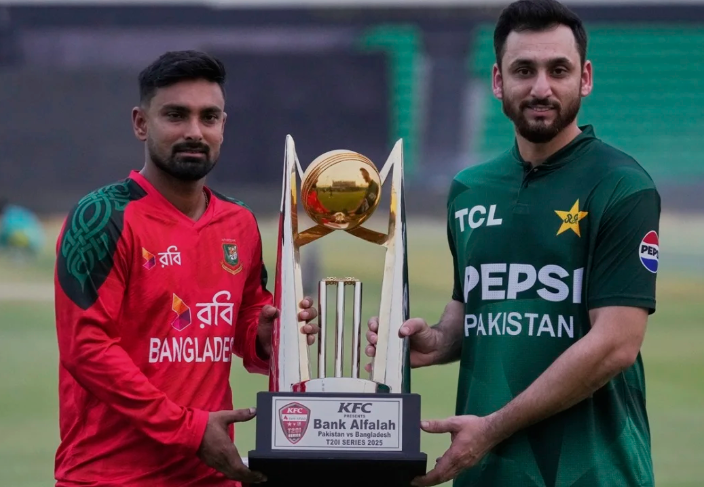
The rivalry between these two cricketing nations has grown through years of shifting dominance, emotional encounters, and evolving team strength. What began as one-sided contests gradually transformed into a more competitive battle shaped by pressure moments, tactical changes, and rising individual performances. Early matches highlighted experience gaps, but over time, emerging talent and improved preparation narrowed the distance. Each meeting brought its own story, from dominant bowling spells to unexpected batting recoveries. Fans on both sides have remained deeply invested, turning every fixture into a high-stakes event filled with anticipation, national pride, and unforgettable moments that define modern cricket rivalry narratives.
| Date | Format | Venue | Winner | Margin | Bangladesh Score | Pakistan Score |
|---|---|---|---|---|---|---|
| 20 May 2026 | Test | Sylhet | Bangladesh | 78 runs | 278 & 390 | 232 & 358 |
| 12 May 2026 | Test | Mirpur | Bangladesh | 104 runs | 413 & 240/9d | 386 & 163 |
| 15 Mar 2026 | ODI | Mirpur | Bangladesh | 11 runs | 290/5 | 279 |
| 13 Mar 2026 | ODI | Mirpur | Pakistan | 128 runs | 114 | 274 |
| 11 Mar 2026 | ODI | Mirpur | Bangladesh | 8 wickets | 115/2 | 114 |
| 25 Sep 2025 | T20I | Dubai | Pakistan | 11 runs | 124/9 | 135/8 |
| 24 Jul 2025 | T20I | Mirpur | Pakistan | 74 runs | 104 | 178/7 |
| Format | Played | Pakistan Won | Bangladesh Won | No Result | Pakistan Best | Bangladesh Best |
|---|---|---|---|---|---|---|
| Test Matches | 17 | 12 | 4 | 1 | 557/8d | 565 |
| One-Day Internationals | 42 | 35 | 7 | 0 | 385/7 | 329/6 |
| T20 Internationals | 26 | 21 | 5 | 0 | 201/6 | 175/6 |
| Overall Combined | 85 | 68 | 16 | 1 | 557/8d | 565 |
| Matches In Pakistan | 25 | 21 | 2 | 2 | 557/8d | 565 |
| Matches In Bangladesh | 48 | 36 | 12 | 0 | 385/7 | 329/6 |
| Matches At Neutral Venues | 12 | 11 | 2 | 0 | 328/7 | 240 |
| Player Name | Team | Matches | Innings | Total Runs | Highest Score | Batting Average |
|---|---|---|---|---|---|---|
| Mohammad Yousuf | Pakistan | 23 | 26 | 1345 | 173 | 56.04 |
| Inzamam-ul-Haq | Pakistan | 20 | 22 | 1120 | 145 | 53.33 |
| Tamim Iqbal | Bangladesh | 32 | 35 | 1085 | 206 | 32.87 |
| Mushfiqur Rahim | Bangladesh | 38 | 41 | 1042 | 191 | 28.16 |
| Shakib Al Hasan | Bangladesh | 35 | 38 | 985 | 144 | 29.84 |
| Babar Azam | Pakistan | 18 | 21 | 945 | 151 | 49.73 |
| Younis Khan | Pakistan | 15 | 17 | 890 | 200 | 59.33 |
| Player Name | Team | Matches | Innings | Wickets Taken | Best Bowling | Bowling Average |
|---|---|---|---|---|---|---|
| Shakib Al Hasan | Bangladesh | 35 | 45 | 58 | 6/59 | 27.34 |
| Shahid Afridi | Pakistan | 29 | 32 | 52 | 5/23 | 21.15 |
| Saqlain Mushtaq | Pakistan | 14 | 18 | 48 | 5/30 | 17.42 |
| Danish Kaneria | Pakistan | 9 | 14 | 42 | 7/85 | 19.88 |
| Saeed Ajmal | Pakistan | 16 | 20 | 39 | 4/18 | 18.53 |
| Mashrafe Mortaza | Bangladesh | 25 | 26 | 33 | 4/40 | 32.12 |
| Umar Gul | Pakistan | 15 | 18 | 31 | 5/30 | 22.45 |
The first meetings between these two sides reflected a clear gap in experience, skill, and confidence at the international level. One team entered the rivalry already established in world cricket, while the other was still learning how to compete consistently against top opposition. Early matches were heavily influenced by fast bowling attacks and disciplined batting orders that rarely allowed any breathing space. The younger side often struggled to build partnerships and handle pressure in the opening overs, which set the tone for most of those contests. However, these games were also important learning phases. Each defeat provided exposure to high-quality opposition and helped shape future strategies. Over time, the gap in performance slowly began to narrow as exposure increased. These early encounters laid the foundation for what would later become a more competitive and emotionally charged cricket rivalry, with both sides developing mutual awareness and tactical understanding through repeated international meetings.
| Match Type | Dominant Side | Key Strength | Common Outcome | Impact |
|---|---|---|---|---|
| ODI | Established team | Pace bowling | One-sided wins | Experience gap exposed |
| Test | Established team | Batting depth | Comfortable victories | Technique pressure |
| Asia event | Established team | All-round control | Controlled matches | Confidence built |
| Friendly | Established team | Fielding discipline | Predictable results | Learning phase |
As time progressed into the early and mid 2000s, the competitive balance started to shift slightly. The developing side began producing more confident batters and aggressive bowlers who were no longer intimidated by stronger opposition. Key individuals started to emerge, bringing stability in the middle order and improving the ability to survive pressure situations. Although results still leaned heavily in favor of the more experienced team, matches became less predictable and occasionally featured competitive passages of play. This phase was defined by gradual improvement rather than immediate transformation. The introduction of better domestic structures and international exposure played a crucial role in narrowing performance gaps. While consistency was still missing, there was a visible change in body language and intent on the field. This period marked the beginning of a transition where the underdog started believing in its ability to challenge stronger cricketing nations in specific conditions.
| Season Phase | Batting Progress | Bowling Development | Match Control | Result Trend |
|---|---|---|---|---|
| Early 2000s | Improving starts | Developing pace | Limited control | Heavy losses |
| Mid 2000s | Better partnerships | Spin emergence | Partial control | Competitive losses |
| Late phase | Stable middle order | Balanced attack | Improved control | Narrow defeats |
| Transition | Confident approach | Tactical variety | Growing belief | Mixed results |
A major shift in the rivalry narrative came during a global tournament where expectations were high on both sides. One team entered as favorites, while the other carried underdog momentum and growing confidence. The match turned into a defining moment as disciplined batting and smart bowling execution changed the direction of the contest. Instead of collapsing under pressure, the underdog displayed composure in both innings, building partnerships at crucial stages and restricting the opposition through tight fielding and clever variations in bowling. The result shocked many followers of the game and significantly altered perceptions about competitive balance. This match is often remembered as the moment when belief replaced fear. It also marked a psychological shift, as future encounters were no longer viewed as one-sided by fans or players. The emotional celebrations after the victory reflected years of frustration turning into achievement, making it one of the most important milestones in this rivalry.
| Tournament | Winner | Key Performer | Turning Moment | Result Impact |
|---|---|---|---|---|
| Global event | Underdog team | All-rounder | Middle order stand | Historic win |
| Group stage | Underdog team | Spinner impact | Bowling control | Qualification boost |
| Knockout race | Underdog team | Top order stability | Powerplay success | Pressure shift |
| Final stage prep | Underdog team | Fielding unit | Run restriction | Momentum change |
Encounters in regional competitions brought additional intensity due to familiar conditions and high emotional stakes. Matches often carried qualification or knockout implications, making every over critical. Both sides adjusted their strategies depending on pitch conditions, with spin playing a major role in most games. Tactical decisions such as batting order changes and bowling rotations became decisive factors. These contests were not just about skill but also mental strength under pressure. One side often relied on experienced campaigners to stabilize innings, while the other increasingly depended on emerging talent to provide breakthroughs. The unpredictability of outcomes made these matches highly engaging for fans. Momentum swings were frequent, and no team could fully dominate across multiple tournaments. Over time, these clashes helped build a deeper competitive respect between both sides, as repeated encounters in high-pressure situations created familiarity and strategic evolution on both ends.
| Tournament | Conditions | Key Strategy | Pressure Factor | Outcome Pattern |
|---|---|---|---|---|
| Asia event | Slow pitches | Spin dominance | High stakes | Close finishes |
| Regional cup | Balanced wickets | Batting depth | Qualification pressure | Mixed results |
| Knockout match | Turning tracks | Middle overs control | Extreme pressure | Narrow wins |
| League stage | Flat pitches | Aggressive batting | Run chase focus | High scoring games |
The rise of shorter formats significantly changed the dynamics of competition between the two sides. Faster scoring rates, aggressive batting approaches, and specialized bowling roles made matches more unpredictable. One team relied heavily on pace variations and death-over accuracy, while the other focused on building partnerships and rotating strike effectively. The introduction of modern T20 tactics brought new heroes into the spotlight, with young players often deciding outcomes in crucial moments. Matches frequently went down to the final overs, increasing tension for both players and fans. Fielding standards also became a deciding factor, as saving runs and taking sharp catches often shifted momentum. Unlike earlier formats, no team could rely solely on tradition or reputation. Every match required tactical innovation and adaptability. This phase represents a more balanced and competitive era where outcomes depended heavily on execution under pressure.
| Format | Key Strength | Match Style | Deciding Factor | Typical Result |
|---|---|---|---|---|
| T20 | Power hitting | Fast paced | Death bowling | Close finishes |
| T20 | Spin control | Middle overs | Run restriction | Unpredictable |
| T20 | Pace attack | Early wickets | Powerplay impact | Momentum swings |
| T20 | Fielding unit | High intensity | Catch efficiency | Narrow margins |
Individual battles became a defining feature of this rivalry as star performers from both sides consistently influenced outcomes. Batters facing high-quality fast bowling had to adapt quickly, while bowlers focused on exploiting technical weaknesses under pressure. Certain matchups became highly anticipated by fans due to repeated encounters in key moments. All-rounders played a particularly important role by contributing in multiple departments, often shifting momentum within a few overs. Experience and temperament became just as important as raw skill. These player-level confrontations added emotional depth to matches, as individual performances often carried national expectations. Over time, these rivalries created iconic moments remembered by fans long after the matches ended. The balance between bat and ball in these contests highlighted the importance of adaptability, preparation, and mental strength in international cricket.
| Player Role | Strength Area | Key Match Impact | Rival Focus | Performance Trend |
|---|---|---|---|---|
| Batter | Technique | Top order stability | Fast bowling | Inconsistent early |
| Bowler | Pace/Spin | Wicket breakthroughs | Middle order | Improved over time |
| All-rounder | Dual impact | Match control | Both departments | High influence |
| Wicketkeeper | Fielding | Run-outs/catches | Pressure moments | Steady contribution |
Over the years, both teams underwent significant tactical transformation. One side built its reputation on pace bowling aggression and powerful top-order batting, while the other gradually developed a spin-heavy strategy supported by improving batting depth. Coaching changes and analytical approaches played a major role in shaping match plans. Field placements became more dynamic, and data-driven decisions started influencing bowling rotations and batting orders. Powerplay usage, middle-over control, and death-over execution became critical focus areas. Teams learned to adapt based on pitch conditions and opposition weaknesses rather than relying on fixed strategies. This evolution made contests more competitive and less predictable compared to earlier years. The growing professionalism in preparation and execution reflected the overall development of both cricketing systems. As a result, matches began to showcase not just talent but also strategic depth and planning precision.
| Tactical Area | Team Approach | Strength Focus | Weakness Addressed | Outcome Effect |
|---|---|---|---|---|
| Powerplay | Aggressive | Early wickets | Batting starts | Momentum gain |
| Middle overs | Spin control | Run restriction | Partnership breaks | Pressure build |
| Death overs | Pace attack | Economy control | Final overs defense | Tight finishes |
| Batting order | Flexible | Match situation | Stability issue | Improved balance |
The emotional side of this rivalry has always been intense, shaped by national pride, historic results, and memorable performances. Fans from both sides react strongly to victories and defeats, especially in high-stakes tournaments. Social media has amplified these emotions, turning every match into a trending topic filled with debates, celebrations, and criticism. Iconic victories are celebrated for years, while disappointing losses often lead to deep analysis and reflection. Stadium atmospheres during these matches are charged with energy, creating pressure not only for players but also for support staff and commentators. Over time, this rivalry has grown beyond just cricket, becoming a symbol of regional pride and sporting identity. The emotional connection fans feel toward these matches ensures that every new encounter carries historical weight, regardless of team form or rankings at the time.
| Emotional Factor | Fan Reaction | Match Influence | Media Coverage | Long-term Impact |
|---|---|---|---|---|
| Victory | Celebration | High morale | Extensive | Memory building |
| Defeat | Disappointment | Pressure increase | Critical analysis | Motivation boost |
| Close match | Anxiety | High tension | Viral coverage | Rivalry growth |
| Tournament clash | Intensity | Peak engagement | Global attention | Legacy creation |
This rivalry reflects the journey of two teams moving in different phases of development before finding competitive balance. One side brought early dominance and consistency, while the other grew through persistence, learning, and breakthrough performances on global stages. Over time, matches became less predictable and more emotionally charged, driven by individual brilliance and tactical awareness. The evolution of both teams has ensured that every new encounter carries significance beyond just results. It represents growth, resilience, and the changing landscape of international cricket where no outcome can be taken for granted and every game adds a new chapter to their shared history.